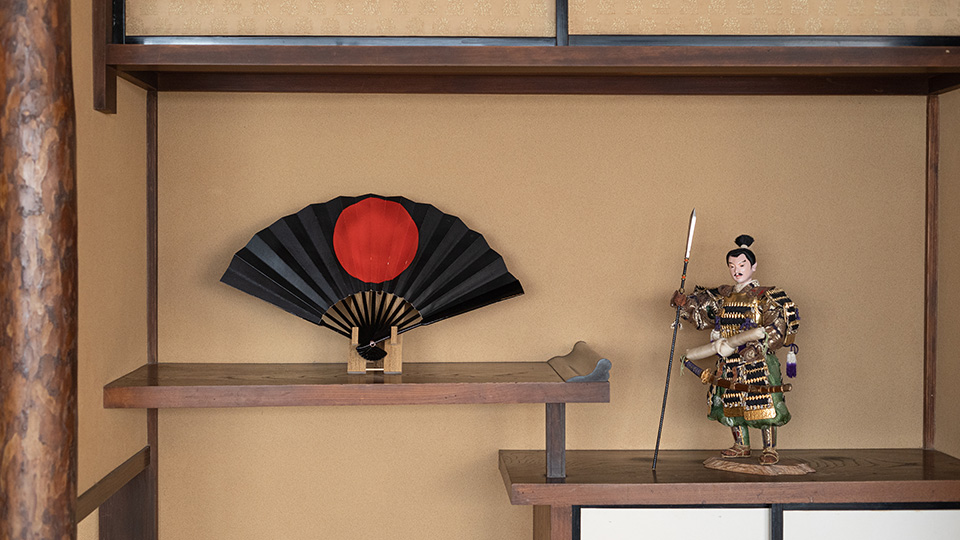
The History of Folding Fans
Nara to Heian Periods
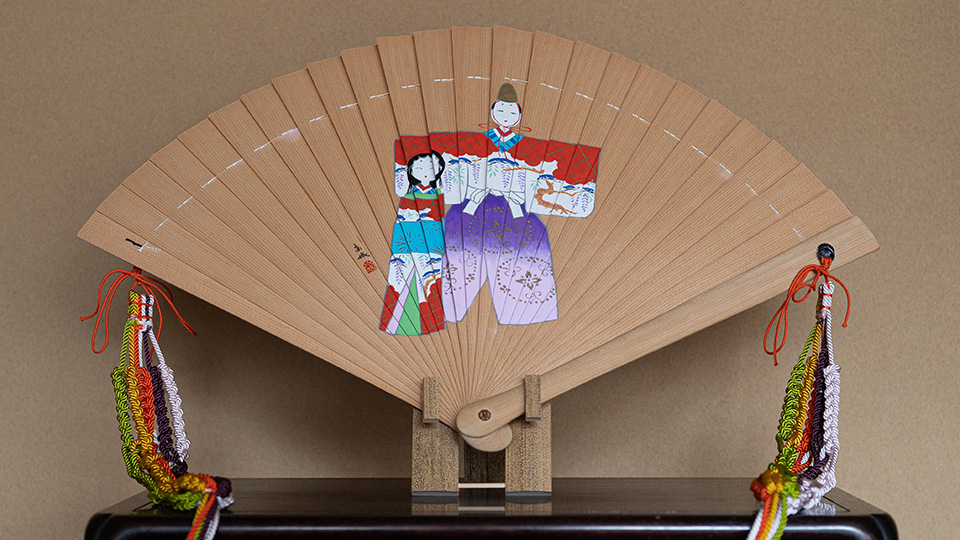
The folding fan originated in the early Nara period (8th century). The earliest form, known as hiōgi, was made by layering thin wooden slats about 2–3 cm wide—rather than for creating a breeze, it served as a writing tool, much like a notepad. These fans were often used in court ceremonies to record ritual sequences and proceedings.
By the mid-Heian period, a new type called komōsen emerged, crafted by attaching paper to bamboo ribs. Folding fans began appearing in literature and paintings of the era, often held by court nobles as part of their daily life and ceremonial attire.
Kamakura to Muromachi Periods
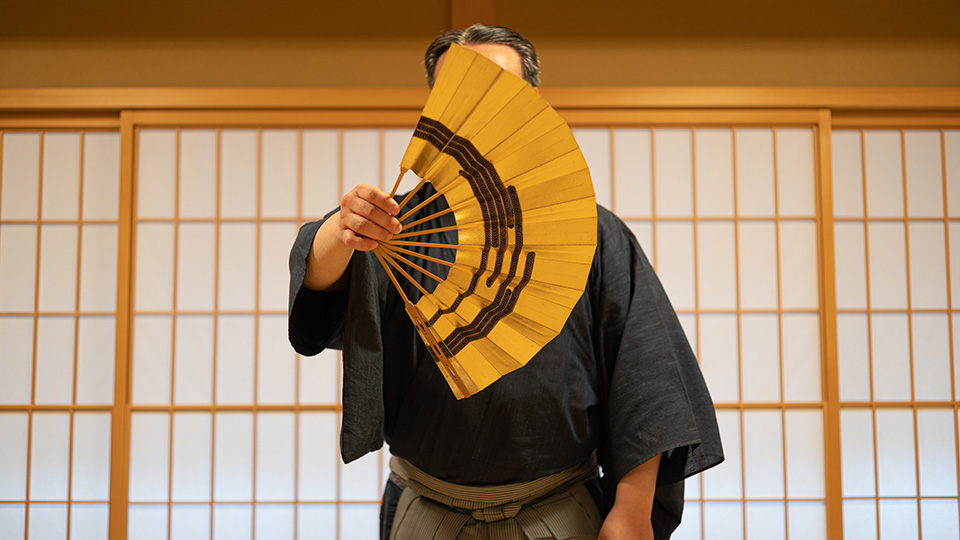
Folding fans became indispensable in traditional Japanese performing arts and culture. During this time, forms like Noh, Kyogen, Shimai, Nihon Buyo, and Kabuki flourished. Fans were used not only to accentuate hand movements but also to express characters’ emotions and symbolic actions.
In many performances, fans were creatively transformed into props such as hats, sake cups, or chopsticks. When watching traditional Japanese theater, paying attention to how fans are used can reveal new layers of artistic nuance.
Sengoku Period (Warring States Era)
In the 16th century, Japan began trading with Portugal, marking the start of fan exports to Europe. Folding fans became prized possessions among the aristocracy of Spain and France.
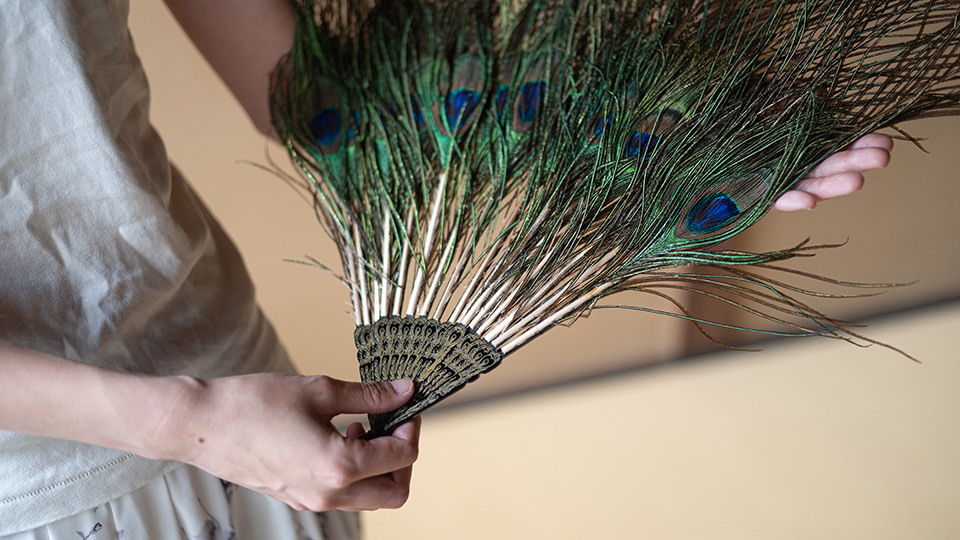
As fans spread overseas, new variations emerged—most notably, the silk fan, which featured fabric stretched across the fan surface. These silk fans were later reimported into Japan, sparking a wave of domestic silk fan production.
Edo Period
What began as a courtly tradition evolved over time, with fan-making culture flourishing in Kyoto. Naturally, the artisans, materials, and techniques centered around Kyoto as the cultural hub.
Following the establishment of the Tokugawa Shogunate, many Kyoto fan artisans relocated to Tokyo, leading to the development of Edo fans. Unlike Kyoto fans influenced by the Rimpa school of art, Edo fans adopted more minimal and rhythmic geometric patterns, reflecting the refined sensibility of Edo culture.